

XR Case Study
209,145 Soldiers. Finally Heard.
QuantumERA created an immersive AR mobile experience for the African American Civil War Museum bringing the untold stories of the United States Colored Troops to life through 3D artifacts, animated history, and a rank-progression scavenger hunt.
Project Summary
| Client | African American Civil War Museum |
|---|---|
| Location | Washington, D.C. |
| Exhibit | African American Civil War Tour |
| Platform | iOS · Android |
| Technology | Mixed Reality · 3D Animation |
| App Name | Glorious March To Liberty |
| Project Date | TBD |
| Audience | Museum Visitors · K-12 Students · Educators |
The Challenge
The African American Civil War Museum stands as the only institution in the nation dedicated solely to the story of the United States Colored Troops — the 209,145 Black soldiers and sailors who served in the Union Army and Navy during the Civil War. These men fought for a country that had not yet recognized their humanity, and their contributions were systematically excluded from mainstream historical memory for generations.
For a museum carrying that weight of history, the challenge was twofold. First, how do you make an experience that honors the gravity of these stories while remaining genuinely engaging particularly for younger visitors who may have no prior knowledge of the USCT? Second, how do you keep a visitor moving through the full breadth of the exhibit, rather than stopping at the first display and moving on?
The museum needed an experience that could meet visitors at any level of historical knowledge, guide them through the full space, and leave them with an emotionally gripping story.
The Solution
QuantumERA developed a mobile AR application that layers interactive content directly onto the museum’s physical exhibits, transforming artifacts and historical records into dynamic, multisensory experiences. At the center of the app is a rank-progression scavenger hunt: visitors earn military rank as they move through the exhibit, advancing from recruit to officer by engaging with content at each station.
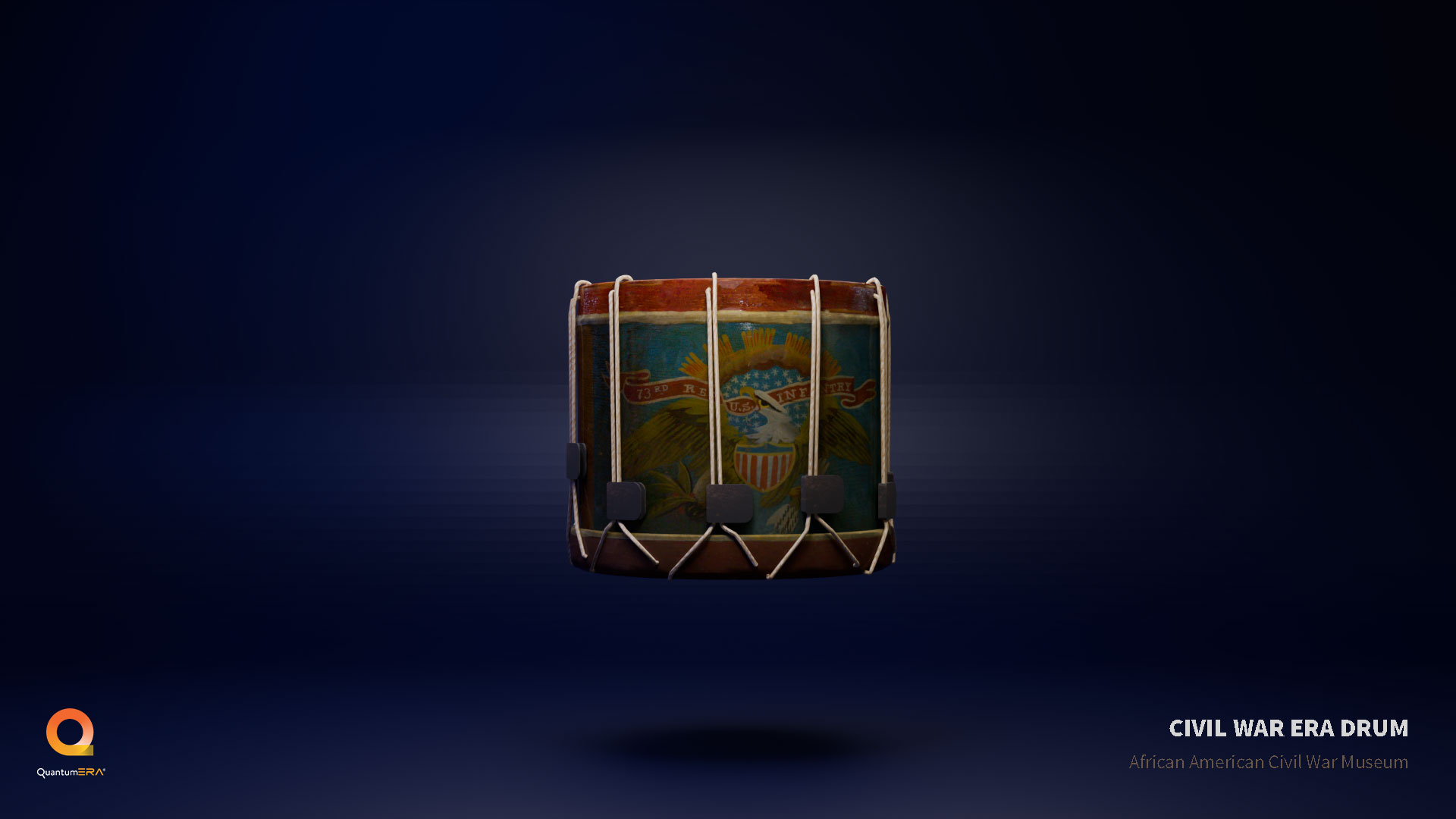
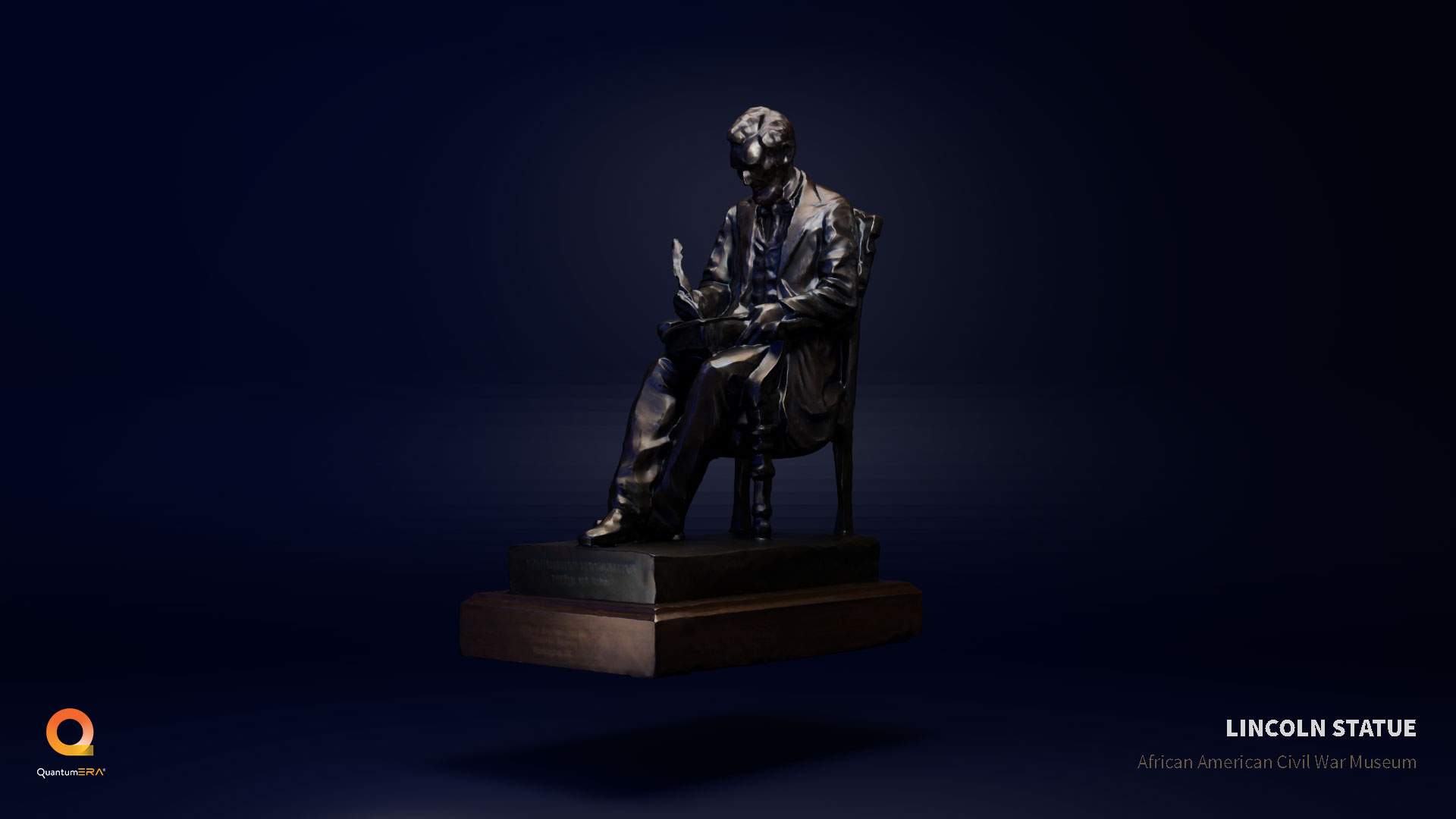
Throughout the experience, 3D artifact models allow visitors to examine Civil War-era objects from every angle — weapons, uniforms, personal effects — with contextual information and animated historical imagery tied to each piece. The progression system gives younger visitors a clear purpose as they move through the gallery, while deeper narrative layers reward adult visitors and history enthusiasts who want to go further.
The result is an experience designed to hold attention and send visitors home with a personal connection to soldiers whose names were almost forgotten.


Key Features
Rank Progression System
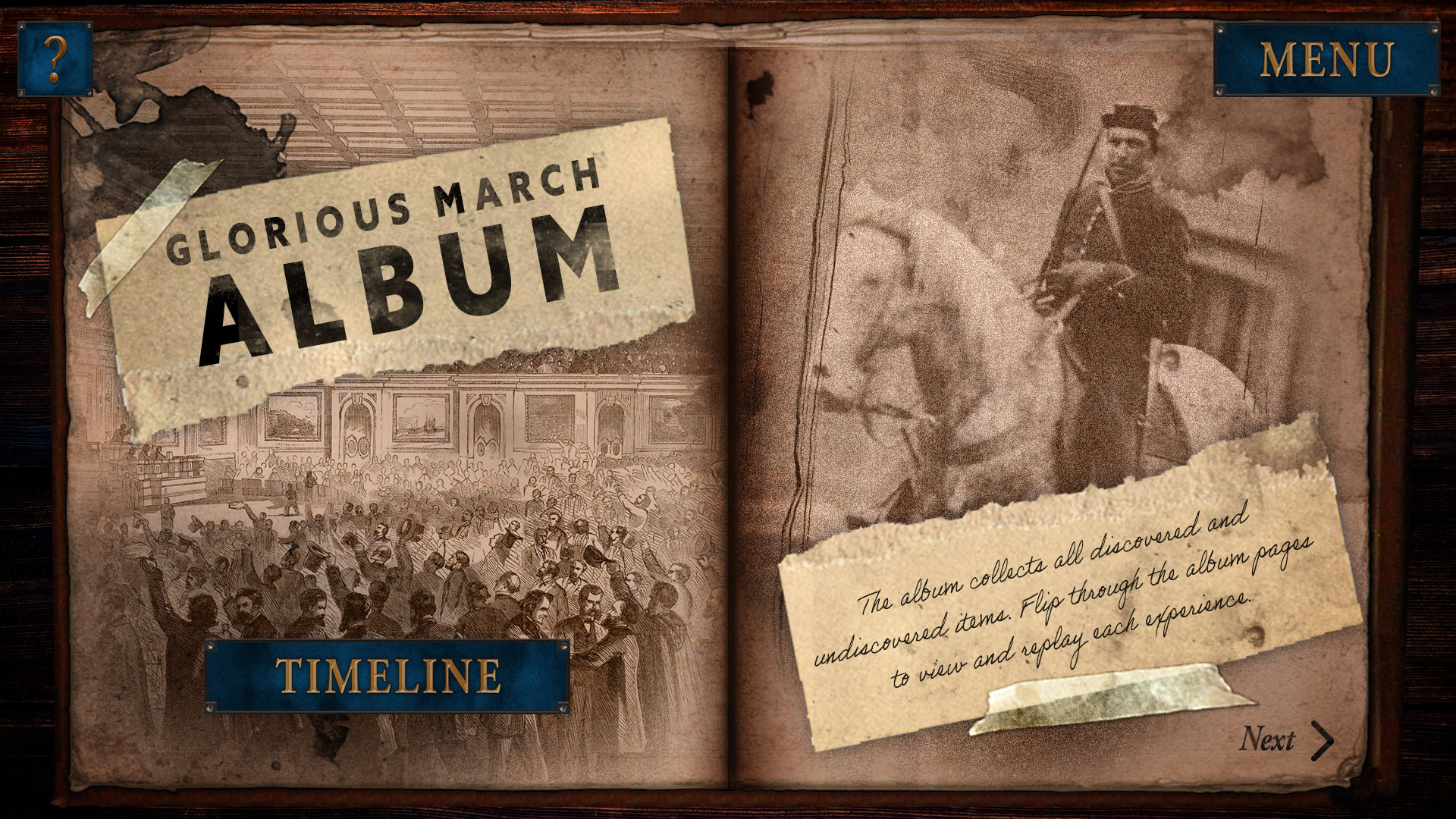
Visitors advance from recruit to officer by completing exhibit stations, creating motivation and momentum through the full gallery
3D Artifact Models
Civil War-era objects rendered in full 3D, explorable from any angle with historical context and narration
Animated Historical Imagery
Archival imagery and illustrations brought to life through animation, contextualizing each artifact within its moment in history
AR Exhibit Activation
Physical displays trigger layered digital content, bridging the physical collection with immersive storytelling
Student-Designed Engagement
Scavenger hunt mechanics and progression structure designed to hold the attention of K–12 visitors throughout the full exhibit




The Impact
The Glorious March to Liberty experience gives the African American Civil War Museum a new layer of storytelling power that reaches visitors who might otherwise move quickly through the gallery, deepening the experience for those who are ready to stay. For student groups, the rank progression system transforms a museum visit into a personal mission.
By putting interactive tools in the hands of every visitor, the museum can now tell the full story of the USCT.